



Accurate about the task.
The app trains recognition. Grammar, connected texts, translation, and interpretation belong to the fuller journey with a teacher, course, and sources.
Scriptorium exists to bring learners closer to the sources of Christian history, including the African churches and saints too often left out of the story most people know. Learning to recognize their scripts is one way to begin.
Classical Geʿez opens a path toward Ethiopia’s and Eritrea’s Christian literary inheritance. Its manuscripts, worship, and stories of saints matter on their own terms. Scriptorium begins by helping the script become familiar; serious reading still requires deeper study and careful scholarship.
Geʿez vocabulary is represented in the current app. Scholarly review of that content remains open; Scriptorium does not claim it is complete.
Ge'ez recordings · Read by Betsegaw Gillo
Explore the research languages →A textbook can give you a language’s forms and explanations. Scriptorium gives letters and core vocabulary focused practice: notice, answer, and return on another day. A unit counts as mastered only when it holds after a real time gap.
The app trains recognition. Grammar, connected texts, translation, and interpretation belong to the fuller journey with a teacher, course, and sources.
Language content and historical claims need a traceable basis. An unfinished review stays labeled unfinished.
The app, the planned print workbooks, and this website should each give a learner a useful next step in the same journey.
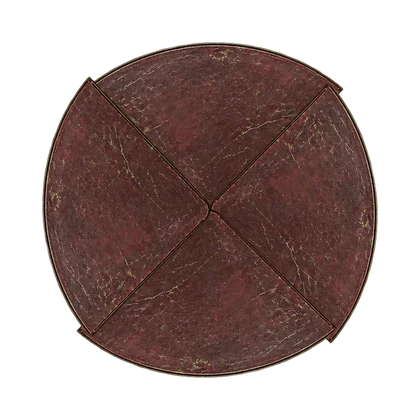
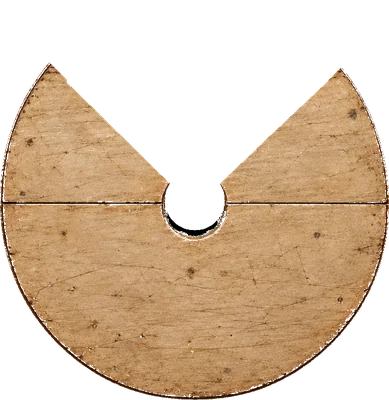
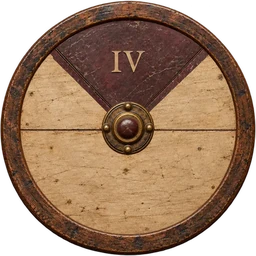
The Scriptorium mark comes from the rota, Latin for “wheel”: a medieval bookmark, likely made in the 13th or 14th century, for books written in two columns to a page, four across an open spread.
The rota kept a reader’s place exactly. A marker slid along a cord to the line where reading stopped, and a turning disc, numbered one to four, showed which column. Height gave the line; rotation gave the column. About thirty-five are known to survive.
For a reader of ancient texts today, the meaning carries over. Learning a language is long work, done a little at a time and returned to across days. The rota marks where you stopped so you can begin again there. Each quarter turn is one more return, and the window always points to the page.
Sources: Leiden University, on one found in its library in 2014; Sotheby’s, a revolving bookmark sold in 2005.
Choose the language that connects to your question. One word is enough to begin.
Try a first word →